Shree Vardhaman Mahavir - The Twenty-fourth and Last Tirthankara
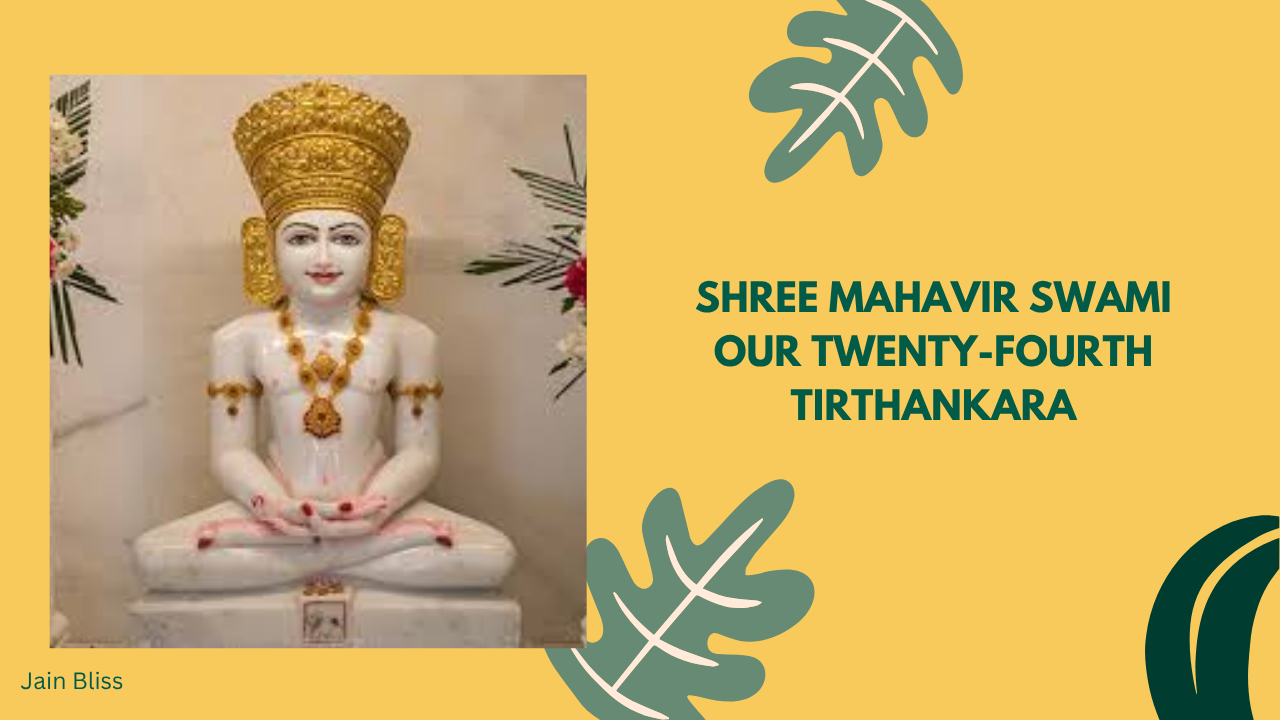
Shree Mahavir, also known as Vardhaman Mahavir, is the 24th and last Tirthankara of the current Avasarpini Kaal in Jainism. He revitalized Jain Dharma and provided a clear path toward spiritual liberation (Moksha) through his exemplary life, ascetic practices, and teachings.
Birth and Family
-
Parents: King Siddhartha and Queen Trishala of Kundagrama, near Vaishali (modern-day Bihar)
-
Birth Year: 599 BCE
-
Birth Signs: Queen Trishala experienced 14 auspicious dreams before his birth, marking the arrival of a divine soul
-
Early Life: Mahavir exhibited wisdom, compassion, and detachment from worldly pleasures even in royal luxury
-
Symbol (Lanchan):Lion (commonly) – representing courage and spiritual strength
Renunciation and Ascetic Life
-
Renunciation: At age 30, he left his royal life to pursue spiritual awakening
-
Asceticism: Undertook 12–13 years of severe penance, fasting, meditation, and self-discipline
-
Challenges: Faced physical hardships, ridicule, and harsh conditions but remained unwavering in his pursuit of truth
Kevala Jnana (Omniscience)
-
Attained Kevala Jnana (omniscience) at age 42 under a Sala tree near the Rijupalika River
-
Achieved perfect knowledge of past, present, and future, transcending all worldly illusions
Teachings and Philosophy
Mahavir’s teachings emphasize a holistic approach to ethics, spirituality, and liberation:
-
Ahimsa (Non-violence): Extends beyond actions to thoughts and emotions; central to spiritual progress
-
Satya (Truthfulness): Speak and act in harmony with reality, free from ego and illusion
-
Asteya (Non-stealing): Respect all forms of property, time, energy, and dignity
-
Brahmacharya (Celibacy/Control of Senses): Transcend desires to elevate spiritual awareness
-
Aparigraha (Non-possession): Detachment from material and emotional attachments for soul liberation
- Anekantavada (Relativity of Truth): Encouraged understanding multiple perspectives to achieve wisdom and equanimity
- Social Reforms:Opposed animal sacrifice, misleading rituals, and caste discrimination; promoted equality for women in religious life.
Lifespan and Nirvana
-
Lifespan: 72 years
-
Teaching Period: 30 years of active preaching across India
-
Nirvana (Liberation): Attained at Pavapuri, Bihar, in 527 BCE
- His Nirvana day is commemorated with Diwaliby Jains, celebrating his liberation and spiritual legacy
Previous Births and Spiritual Lineage
-
In his immediate past life, Mahavir was Prince Marichi, grandson of Lord Rishabhanatha (1st Tirthankara)
- Reborn as Mahavir due to accumulated virtue and karma, destined to achieve Kevala Jnana
Legacy and Influence
-
Jain Worship: Revered as the last Tirthankara; teachings form the foundation of Jain Dharma
-
Festivals: Mahavir Jayanti celebrates his birth annually
-
Beyond Jainism: His principles of non-violence, truth, and ethical living have influenced Hinduism, Buddhism, and global spiritual seekers
-
Philosophical Impact:Emphasized detachment, asceticism, ethical conduct, and spiritual equality
Questions & Answers
Q1. What are Mahavir’s core teachings? 👉 Ahimsa, Satya, Asteya, Brahmacharya, Aparigraha, and Anekantavada.
Q2. At what age did Mahavir attain Kevala Jnana? 👉 At age 42, after 12–13 years of intense penance and meditation.
Q3. Where did Mahavir attain Nirvana? 👉 At Pavapuri, Bihar, in 527 BCE.